

Why HFSS is Retail’s Great Reset
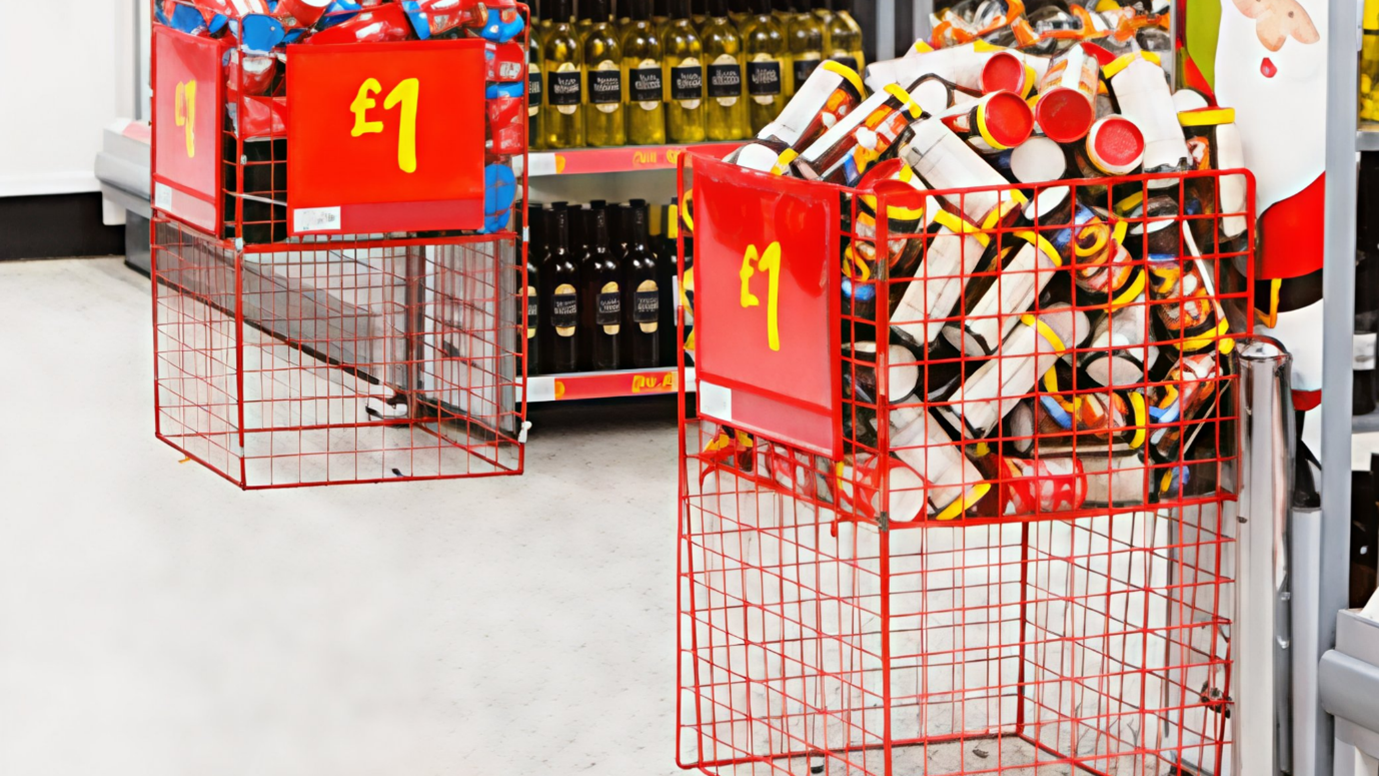
For years the FMCG industry watched HFSS legislation like a distant storm. 5 January 2026 marked the moment it arrived in UK retail
The 9pm TV watershed and the ban on paid digital ads reshaped the landscape. Masterbrand advertising remains possible under HFSS, though the product itself cannot appear and recognition becomes critical. Products with weaker nutrient profiles now face a much narrower set of options
Many food and drink brands lost access to the channels that once carried most of their reach
Nothing stands still and marketing budgets behave like water. They move when pressure builds and find the gaps. In this case the pressure pushes money back toward the supermarket floor
The race to the aisle
The response has been predictable
Investment has flowed into the store. Retail media networks are expanding and POSM budgets continue to grow. The final yards of the aisle now carry far more of the communication load
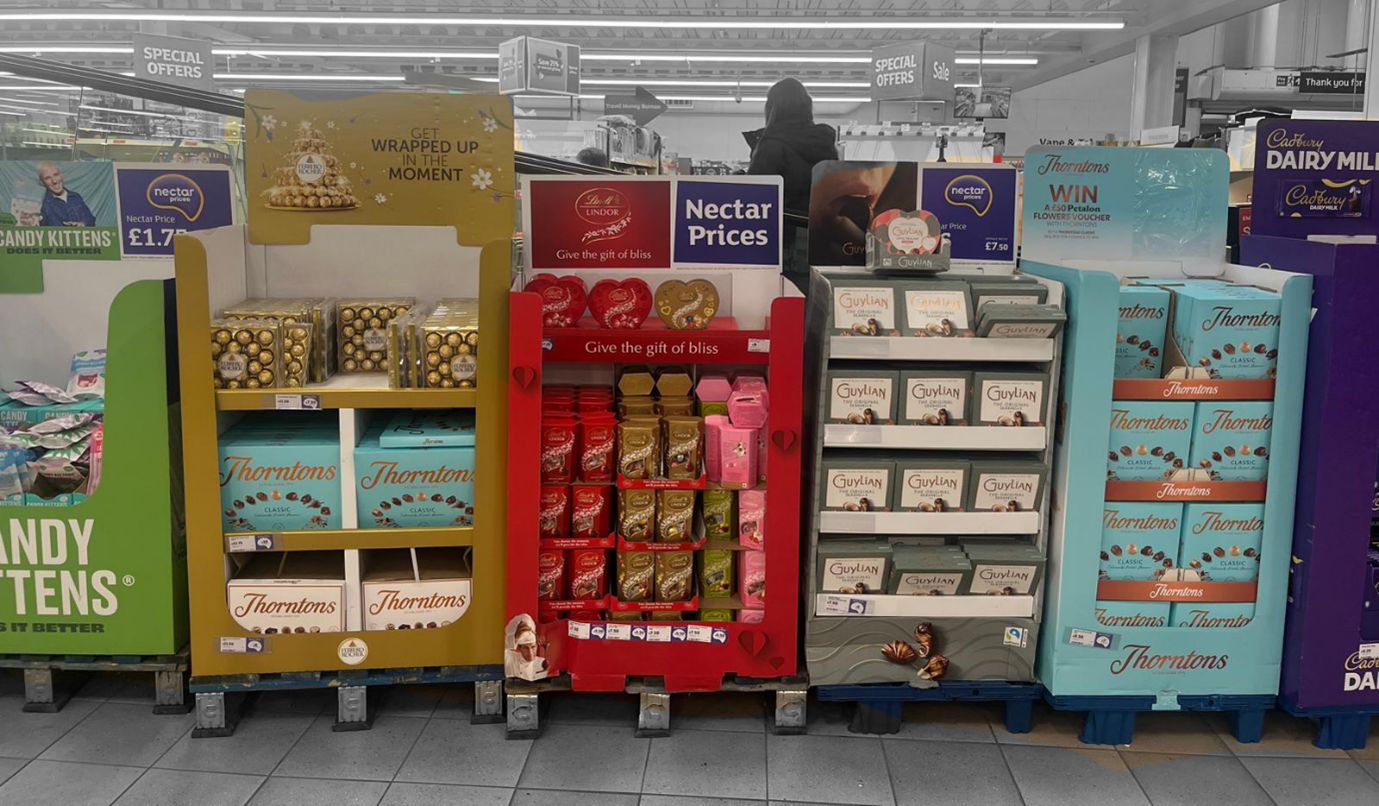
When every major brand turns toward the same space, the environment changes quickly. FSDUs multiply. Shelf edges carry more messages. Wobblers compete for attention
Visibility alone does not solve the problem
Shoppers move quickly through the store and attention is limited. The real constraint is processing. Most messages are never fully seen
The power of brand assets
This environment rewards brands with clear visual codes. Shoppers need signals that work instantly. Distinctive brand assets carry meaning without explanation
Colour, shape and texture act as signals that guide recognition. Shoppers rarely read in the aisle. They scan
Recognition happens quickly. A familiar cue can guide the hand before conscious thought begins
he gold of a Ferrero wrapper does this well. The silhouette of a Coke bottle does the same
These signals reduce effort. They help a shopper navigate a crowded environment
Brands that invested in distinctive assets are easier to recognise in the aisle. Their shelfpresence continues the conversation, even when other channels fall silent. The same signals also carry weight in Masterbrand advertising, where the product itself cannot appear
The helpful store
Supermarkets operate at speed. Many shoppers arrive with a list and limited time
Displays that help navigation perform well in this environment. A colour cue or floor marker can shorten the search for a product. A well placed FSDU can guide a mission
This is communication through service. The display reduces effort and gives the shopper a clear path
Some brands now build executions around specific missions. Cadbury has explored sharing displays in several stores this year. The structure reflects a familiar behaviour
A similar idea appears in the partnership between McVities and PG Tips. Biscuits and tea belong to the same moment for many shoppers
Placing these brands together recognises that pattern. The display clarifies the task and supports the mission
Retailers value this approach. Shoppers appreciate the time saved
The magic of discovery
Stores hold another advantage. They allow discovery
Humans enjoy exploration. Markets and pop up shops attract visitors for this reason. Interest matters as much as efficiency
Raye the Store in Covent Garden shows this clearly. The space feels closer to a gallery than a grocery shop. The range is small and carefully presented
Shoppers slow down in that environment. They look more closely and curiosity takes over
Of course, the scale differs from a supermarket. The principle still holds. When noise falls, engagement rises
Physical retail remains the one place where a shopper can encounter the unexpected
HFSS has changed the marketing landscape. The supermarket floor now carries greater responsibility. Brands that succeed here rely on distinctive assets, clear navigation and moments of discovery. The aisle has become one of the most important media channels in FMCG