

Brand Trekking

The Strategic Frontier
When a portfolio has occupied every available inch of its original category, growth inevitably requires looking toward new horizons
There is a fundamental difference between tactical expansion and a true category leap. Moving into new flavours, aromas or formats is safe. It’s simply designed to squeeze incremental frequency out of existing buyers. The seductive ground, however, is the giant step into an entirely new world
With a nod to that classic mission
Explore new categories: Moving beyond the comfort zone of current product formats to find the most lucrative new worlds
Seek out new consumers: Identifying new life for the brand in segments that previously had no reason to engage
To boldly go: Acknowledging permission to tread to prevent a confusing move that lacks brand substance
Stepping out brings brand risk for those that fail, but the reward of growth for those who get it right
Lost in space
Failures in brand stretching are the ones so often talked about. Think of Colgate Kitchen Entrees or Heinz Kidz Squirts. These moves are frequently fool-hardy because they lack brand integrity
Take Strongbow Smooth in the mid-90s. It utilised nitrogen-carbonated technology successful in stouts and ales to create a smooth cider with a head on it. Visually it was stunning; yet, it was a clear fail. In consumption, the process stripped away the bubbles (the refreshment) and the apple taste. By failing to deliver the fruit, it was no longer cider, it was no longer wanted. A case of identifying a gap, but not fulfilling the promise
New civilisations
Bic, moving from pens to lighters to razors, Marmite into snacks and Cheese are examples of established brands, with clear identities that have successfully moved out of the comfort zone and into new space. Their success stems from delivering quality extensions that remain in sympathy with the brand’s original promise
Established brands like Bic and Marmite successfully navigated the final frontier of brand stretching by anchoring expansions in a recognisable core essence. For Bic, this meant strict adherence to its disposable plastic DNA, giving consumers permission to follow the brand from pens into lighters and razors without it feeling like an unrecognizable alien presence. Similarly, Marmite’s ventures into snacks and cheese bites succeeded because they remained focused on the signature bold taste that consumers already love or hate. These moves felt natural because they mirrored existing consumer behaviour and perception
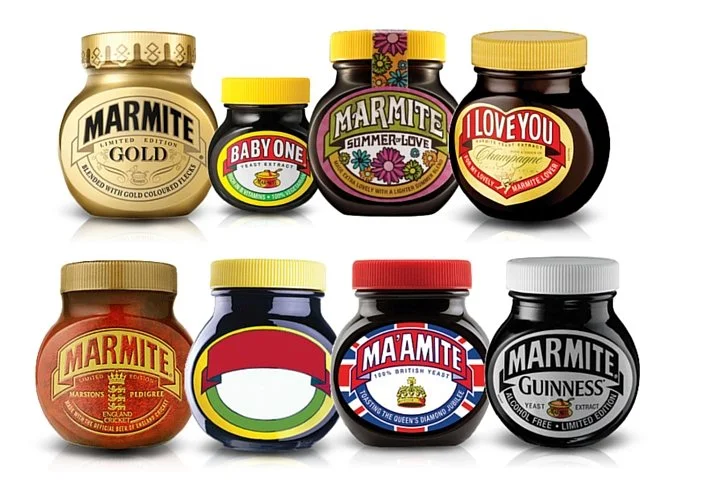
Marmite, you love it or hate it. The emphasis is on the bold taste. Moving into snacks can only work if the taste on crisps, peanuts is clearly Marmite. Moving into cheese bites was also achievable – as consumers were doing this anyway (likewise for brands in the pre-mixed spirit category). The brand has also used its extreme experience to partner with like-minded bold, progressive brands. Tried Marmite Guinness?
Permission to land?
Just because a brand can stretch does not mean it must. Some moves risk leaving consumers divided. The ultimate concern is whether an expansion, even for a limited period, will damage the long term health of the brand. This is particularly true for partnership agreements where the risks are not always shared equally.

A case in point is the collaboration between Cadbury’s Crème Egg and Domino’s, which raises questions about brand integrity that likely impact the former more than the latter. To navigate these strange new worlds successfully, a brand must determine through the consumer lens which assets are in harmony across categories. By delivering an experience the brand can be proud of, it can take the existing audience with it into the next category universe
To boldly go where the brand has earned the right to tread