

Overthink Now…Buy later

A Load on your mind
Cognitive load often gets a bad rap, usually treated as a retail villain. It is the mental exhaustion that makes us abandon a full trolley and head for the car park. However, the truth is more nuanced. Psychology refers to the Yerkes-Dodson Law, which suggests performance peaks at a medium level of arousal
If a new product requires high engagement just to be understood, it is already at a disadvantage. Autopilot shopping is actually a survival mechanism used to preserve mental energy. Underload in the aisles leads to apathy, while the famous Jam Study (Iyengar and Lepper, 2000), highlights the opposite extreme
Too much choice triggers paralysis and a total mental shutdown. The trick is not to strip away every thought, but to distinguish between "good" discovery and "bad" friction. The goal is optimal load. We want mental effort that is sufficient to keep a shopper stimulated without crossing into frustration
Beyond the Jam Jar
Following Iyengar and Lepper, Alexander Chernev (2015) conducted a meta-analysis of 99 studies to pinpoint exactly when choice becomes a burden. He identified four specific triggers that cause cognitive load to spike:
Decision Difficulty: When attributes are hard to compare
Option Complementarity: When the logic between products is unclear
Assortment Complexity: When the layout is messy
Preference Uncertainty: When the shopper doesn’t know what they want yet
When these factors collide, the mental cost of making a choice often outweighs the benefit of the purchase itself. Shoppers aren't necessarily looking for the "best" product in the world. They are weighing criteria to find a good choice for themselves
If the mental effort required to find the absolute best option is too high, the shopper will settle for a good-enough option that is easier to find. We tend to choose what is easy to buy rather than searching for the absolute best. You aren't just buying jam anymore. You're performing a cost-benefit analysis on a brain that is already running on empty
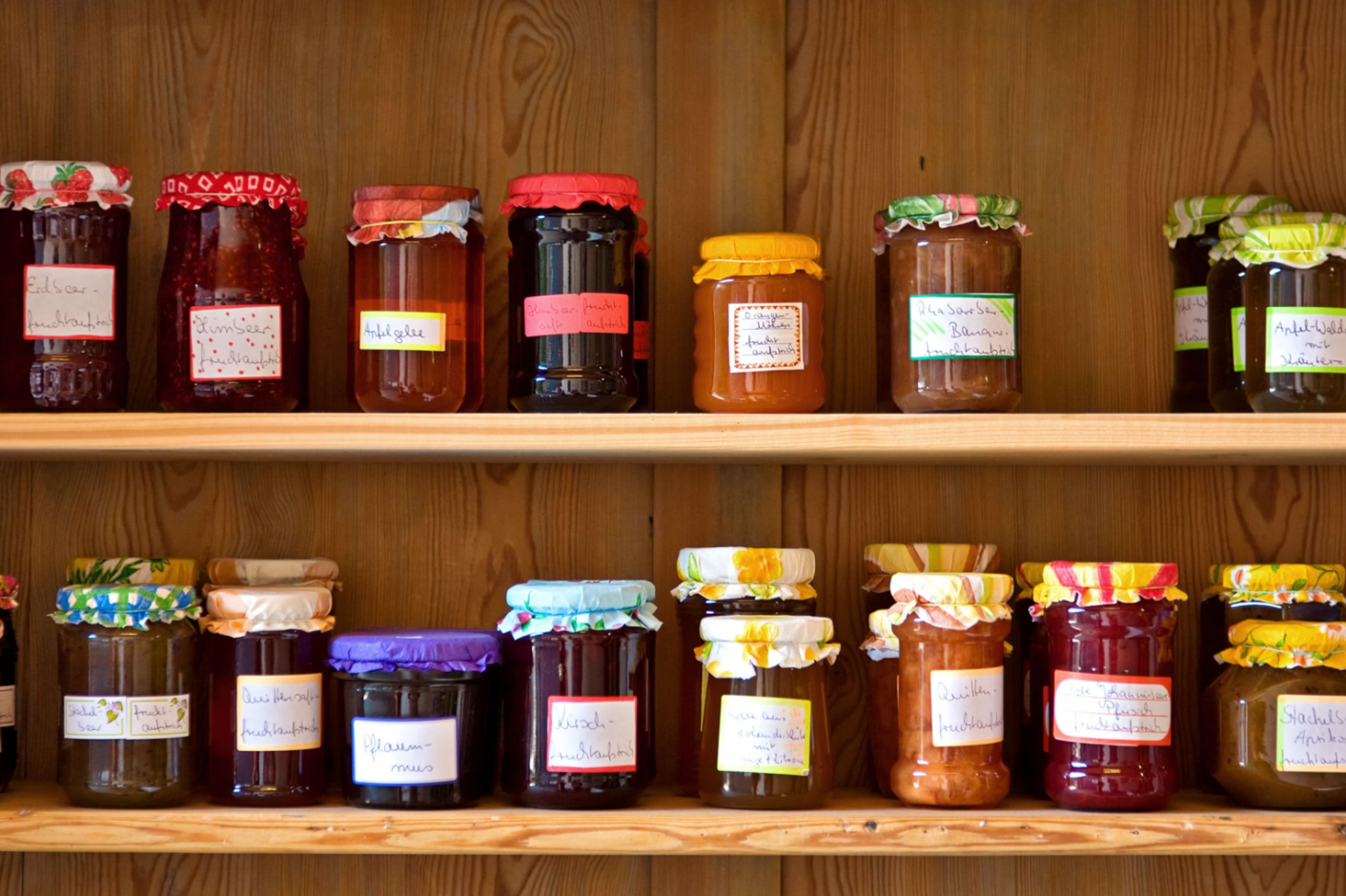
The Aldi experiment
Aldi is essentially a live, global experiment in cognitive ease. While a typical supermarket forces shoppers to navigate 40,000 products, Aldi restricts the range to around 2,000. By stocking only one or two versions of a ketchup or a loaf of bread, they do the mental heavy lifting for us
It is a masterclass in reducing extraneous load. In traditional stores, shoppers often spend 80% of their time searching and only 20% selecting. At Aldi, those figures are frequently reversed. By removing the noise of endless brand variety, they achieve the simplicity dividend. The most difficult decisions have already been made before we even pick up a basket
I’m Just Dwelling
If cognitive load is the lens, then dwell time becomes a dangerous metric. A shopper standing still may be an engaged shopper, but they may simply be a stalled one. Context is everything here. A long pause in front of the wine shelf might indicate a pleasurable, high-stakes discovery mission. But that same three-minute stare in the laundry aisle? That isn’t engagement
Dwell time is a shifting function of how much the decision matters to the shopper and how familiar they are with the terrain. Without accounting for that mental weight, we are merely measuring duration without understanding intent
The Metrics that matter
To get closer to the truth, we need metrics that distinguish between the effort of finding and the effort of choosing. We need to move away from simple dwell time and toward more forensic indicators of mental work
Search-to-selection ratio: Using eye-tracking or AI heat-mapping, we can distinguish between a ‘navigational’ glance and an ‘evaluative’ gaze. If a shopper spends 90% of their time just trying to find the pasta, arguably the store has failed, regardless of whether they eventually buy a box
Time to first fixation: How quickly does the relevant information "pop"? In a high-load environment, this time stretches, signalling that the brain is struggling to filter the noise
Mimicking the aisle
As many writers have argued, traditional survey design misses the messy reality of the store. We ask respondents to evaluate products in a novel environment that bears no resemblance to the sensory overload of a crowded supermarket. In these settings, we need to overcome the artificial alertness caused by a novel testing environment. We need to see how a product performs when the shopper is in their low-energy state
To bridge this gap, we can swap standard questionnaires for tasks that create realistic friction:
Forced Trade-Offs: Rather than asking how ‘important’ a feature is on a scale of one to ten, we should use tasks that force a sacrifice. This replicates the genuine mental load of the aisle, where choosing one benefit often means binning another
In Context: Testing a pack design solus is no test at all. It must be tested within the visual clutter of its competitors to see if it actually possesses the stopping power to disrupt a tired mind
The reality check
The final layer is retail reality. It’s one thing to win on a digital screen, but quite another to win in a category where Shelf Ready Packaging (SRP) is the norm. If your beautiful pack design is 50% obscured by a cardboard lip, the cognitive load doesn't just spike; the product disappears. Measurement must account for the environment as it exists
Study design must also incorporate distraction tasks. In the aisle, no shopper has the luxury of singular focus; By introducing deliberate distractions into our testing, we force the brain to operate as it does during a real trip
Good research accepts the messy reality of the aisle. Because if we make the shopper overthink, they will almost always buy later
I am grateful to Keith Sleight for the challenging conversations and insights that helped shape the thinking in this article